A torsion spring is a wear part, and like any wear part it comes with a rating that predicts how long it will last. Homeowners rarely see that number until they are standing in a garage with a door that will not lift, being offered two springs at different prices. The rating is the reason the prices differ, and understanding it before you buy is the difference between replacing a spring once and replacing it again sooner than you expected. This article explains what a cycle is, what the rating on a spring actually measures, and which questions to ask so the part you buy matches the door you have.
What a cycle is, and why it is the right unit
A cycle is one complete trip: the door goes down and comes back up. That is one cycle. A door used twice a day accumulates roughly 700 cycles a year. A door on a busy household with two drivers leaving and returning, plus a delivery or two, can easily run several thousand cycles a year.
Springs are rated in cycles because cycles are what wear them out. Every time the door travels, the spring coil flexes, and the steel accumulates fatigue. The rating is the manufacturer's estimate of how many flexes the spring is built to survive before it is expected to fail. A spring rated at a higher cycle count is not stronger in the sense of holding more weight; it is built to endure more flexing before it breaks. The wire may be a different gauge, the coil may have more turns, and the heat treatment may differ. What the buyer is paying for is endurance, not lifting capacity.
Why two springs that fit the same door have different ratings
A door needs a specific amount of lifting force to balance its weight, and the spring or springs above it are selected to deliver that force. Within that requirement, there is more than one way to build the part. A standard spring and a high-cycle spring can both balance the same door, and both will lift it correctly on the day they are installed. The difference shows up over years of use.
This is why a quote that lists only a price is incomplete. Two springs can look similar on the outside and carry very different ratings. Ask what cycle rating is being installed and compare it to what came off the door, if that is known. If the original spring lasted a certain number of years in your household, a replacement with a comparable or higher rating is the like-for-like choice. A lower rating is not wrong, but it is a shorter-lived part, and it should be a deliberate decision rather than a surprise.
Matching the spring to the door, not just to the opening
A spring is selected against the door's weight, its height, the drum size, and the number of springs on the shaft. Two doors of the same width can weigh different amounts depending on insulation, glass, and panel material, and a spring wound for the lighter door will be overloaded on the heavier one. That is why the technician weighs the door or works from its actual specifications rather than guessing from the size of the opening.
This matters on the Treasure Coast in particular, where impact-rated doors are common. An impact-rated door carries heavier panels and reinforcement, and the spring system has to be built for that weight. If a replacement spring is chosen for a standard door of the same width, the door may lift but the spring will be working beyond its design and will not reach its rated life. The rating only means what it says when the spring is correctly matched to the door it is carrying.
What you can notice without touching the hardware
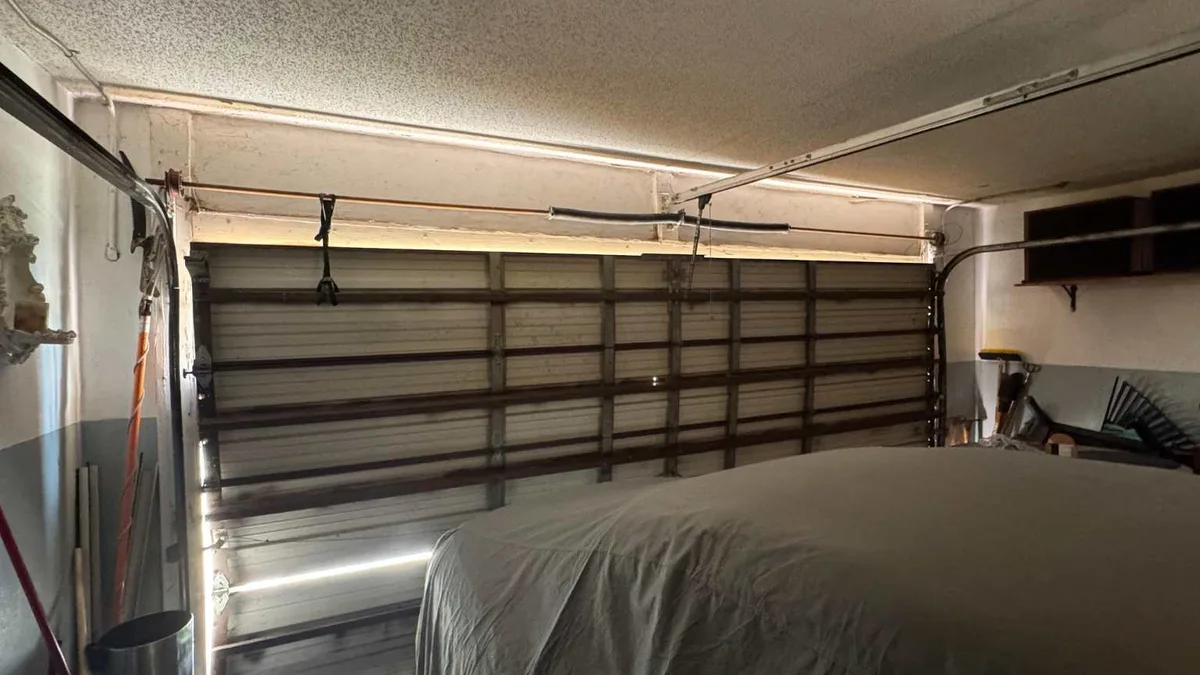
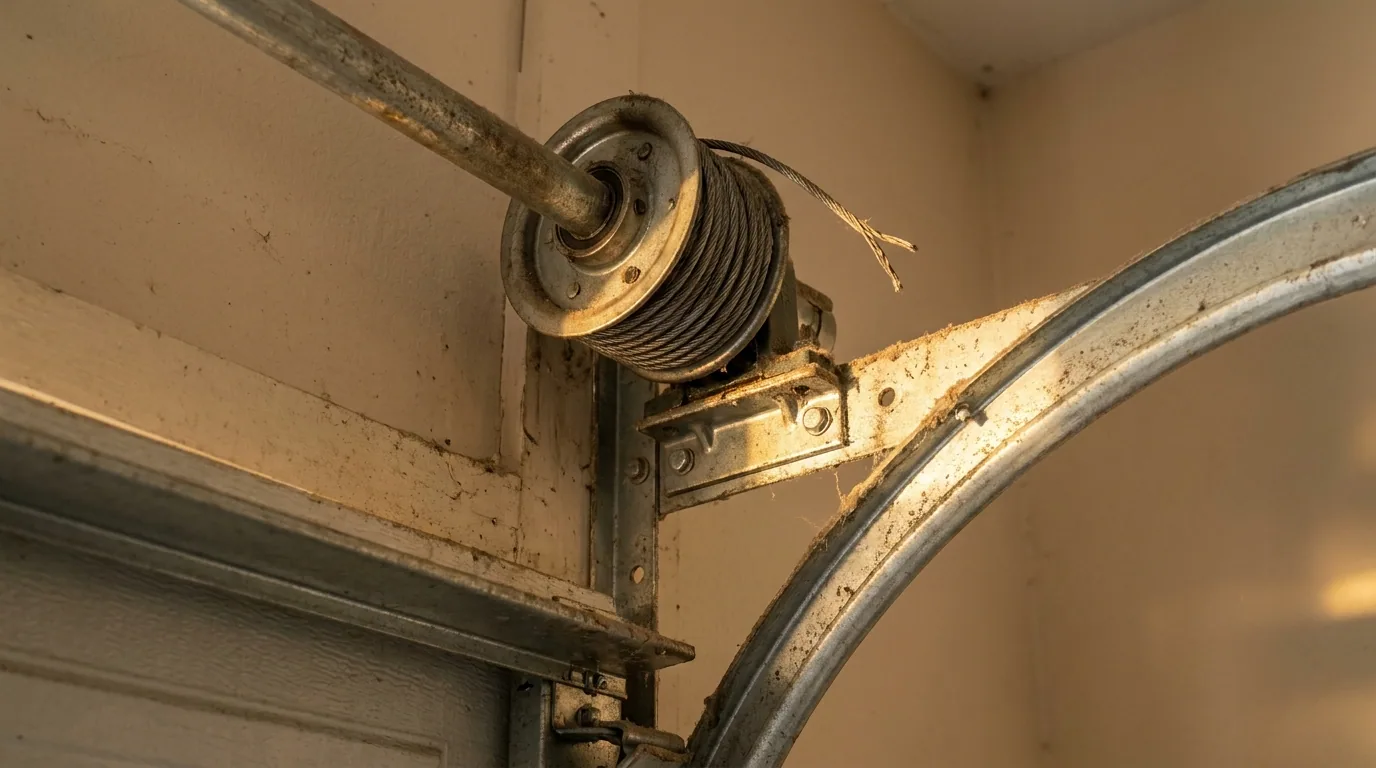
You do not need to inspect a spring to know something has changed. With the garage empty and the door closed, a door that sits crooked in the opening, or shows a gap along the top on one side, is worth a call. A door that feels heavier than it used to during normal use, or that makes a new noise at the start of a cycle, is also telling you the balance has shifted. None of these observations identify the part at fault, and they are not a diagnosis. A crooked door can come from a snapped cable, a broken spring, or a bent track, and only a technician can separate those by inspecting the system.
What you should not do is try to move, adjust, or examine the springs or cables yourself. Torsion springs store enormous energy, and the hardware is under load even when the door is down. The safe course is to leave the door closed, keep the area clear, and call for service. Torsion Pro Garage Doors covers Fort Pierce, Port St. Lucie, Vero Beach, Stuart, Jensen Beach, Hutchinson Island, Sebastian, Palm City, Lakewood Park, and White City, and can be reached at (561) 225-1433 or info@torsionpro.com.
Questions worth asking before you approve the work
A short list of questions will tell you whether the spring being quoted is the right one for your door:
- What cycle rating is the replacement spring, and how does it compare to the one being removed?
- Was the door weighed or matched from its specifications, or was the spring chosen by door size alone?
- If the door has two springs, are both being replaced, and why or why not?
- Does the quote cover balancing the door after installation?
A spring replacement is not finished when the new part is on the shaft. The door has to be balanced so it travels evenly and the opener is not fighting it, and the technician is the one who confirms that. The cycle rating is the starting point, not the whole job. Buying a well-rated spring that is matched to the door and installed correctly is how you get the years of service the rating promises. Torsion Pro Garage Doors is licensed and insured, and handles spring, cable, and balance work across the region.