When a torsion spring breaks, the replacement decision is usually made in a hurry. The door will not lift, the car is trapped, and the first spring that fits is tempting. But two springs can fit the same door and still be very different parts. One is built to a standard cycle rating; the other is built for a much longer service life. Neither is wrong. The question is which one matches how your door is actually used, and what the rest of the hardware can handle. Here is how a technician thinks through that choice.
What "cycle" means on a spring
A cycle is one full movement of the door: one opening and one closing. Every time the door travels, the torsion spring winds and unwinds, and the steel flexes. Springs are rated by how many of those flexes they are designed to survive before they are expected to fail. A standard-cycle spring is rated for a moderate number of cycles. A high-cycle spring is wound from heavier wire or given more coils so it can absorb the same travel with less stress per movement, and it is rated for substantially more.
That rating is a design target, not a promise about your particular spring. How the door is balanced, how often it is lubricated, and whether the hardware is aligned all affect how long any spring lasts. But the rating is the starting point, and it is the number a technician uses when ordering a replacement.
How to estimate your own door's usage
Most homeowners have no idea how many times the door moves in a day, so count it for a week. A single-car household where everyone leaves and returns once may see two to four cycles a day. A busy family with two drivers, a dog walker, and deliveries can easily reach eight to twelve. A door that is also the main entrance to the house runs higher still. Multiply your daily count by 365 to get an annual figure, then think about how long you intend to stay in the home.
This is the number that separates the two choices. A door that runs a few times a day is a reasonable candidate for a standard-cycle spring. A door that runs a dozen times a day, every day, puts far more flexing into the same part, and a high-cycle spring is the more sensible match.
What else the technician checks before ordering
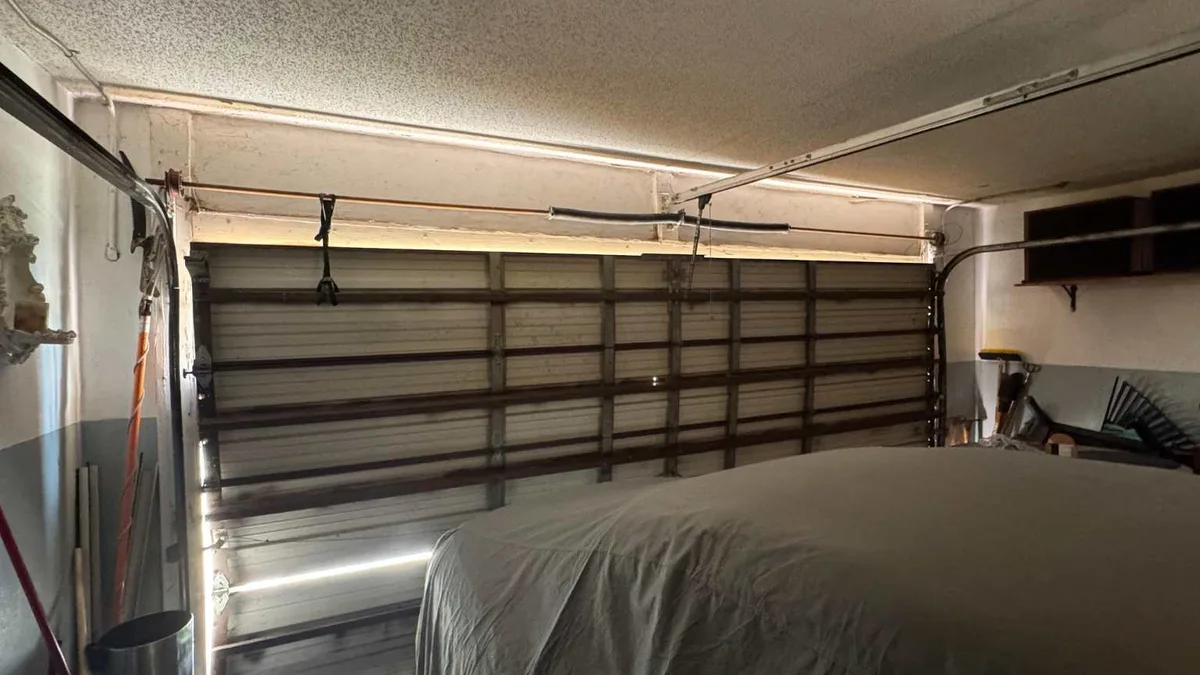
The spring does not work alone, and a heavier spring on tired hardware is not an upgrade. Before ordering, a technician will check the door's weight and balance, the condition of the cables and drums, the rollers and hinges, and the tracks. A door that is binding or out of balance loads the spring unevenly, and that shortens the life of any spring, standard or high-cycle. If the cables are frayed or the drums are worn, those parts need attention at the same time.
The opener matters too. A high-cycle spring changes how the door feels to lift, and the opener's force settings and travel limits should be set to match the finished job. This is also the moment to look at the photo-eyes and the safety reverse, since the door will be moving under new tension.
Signs the spring is already failing
A broken spring is obvious: a loud bang from the garage, and the door will not lift or comes up a few inches and stops. But springs also weaken before they break. You may notice the door feels heavier when you lift it by hand, or that the opener strains more than it used to. A door that drifts down on its own when raised partway, or one that slams rather than settles, points to a balance problem that a technician should measure.
Do not try to diagnose this by adjusting the spring yourself. Torsion springs store a large amount of energy, and the winding bars and set screws are not a homeowner's tools. Keep the door closed, keep people clear of it, and call for service. The same applies to cables and the opener drive train: observe, but do not touch.
Making the choice
If the door is lightly used and the existing hardware is in good shape, a standard-cycle spring is a straightforward replacement. If the door runs many times a day, or if you plan to stay in the home for years, a high-cycle spring spreads the same work over a stronger part and is usually the better match. The right answer depends on your count, your hardware, and how long you want to go before the next replacement.
If you are on the Treasure Coast and your door has stopped lifting, or you are weighing a spring replacement, Torsion Pro Garage Doors can measure the door, check the surrounding hardware, and help you choose. Call (561) 225-1433 or email info@torsionpro.com. The company is licensed and insured and serves Fort Pierce, Port St. Lucie, Vero Beach, Stuart, Jensen Beach, Hutchinson Island, Sebastian, Palm City, Lakewood Park, and White City, with emergency service available.